
Google All-Stars International: Scaling Success Globally
Impact
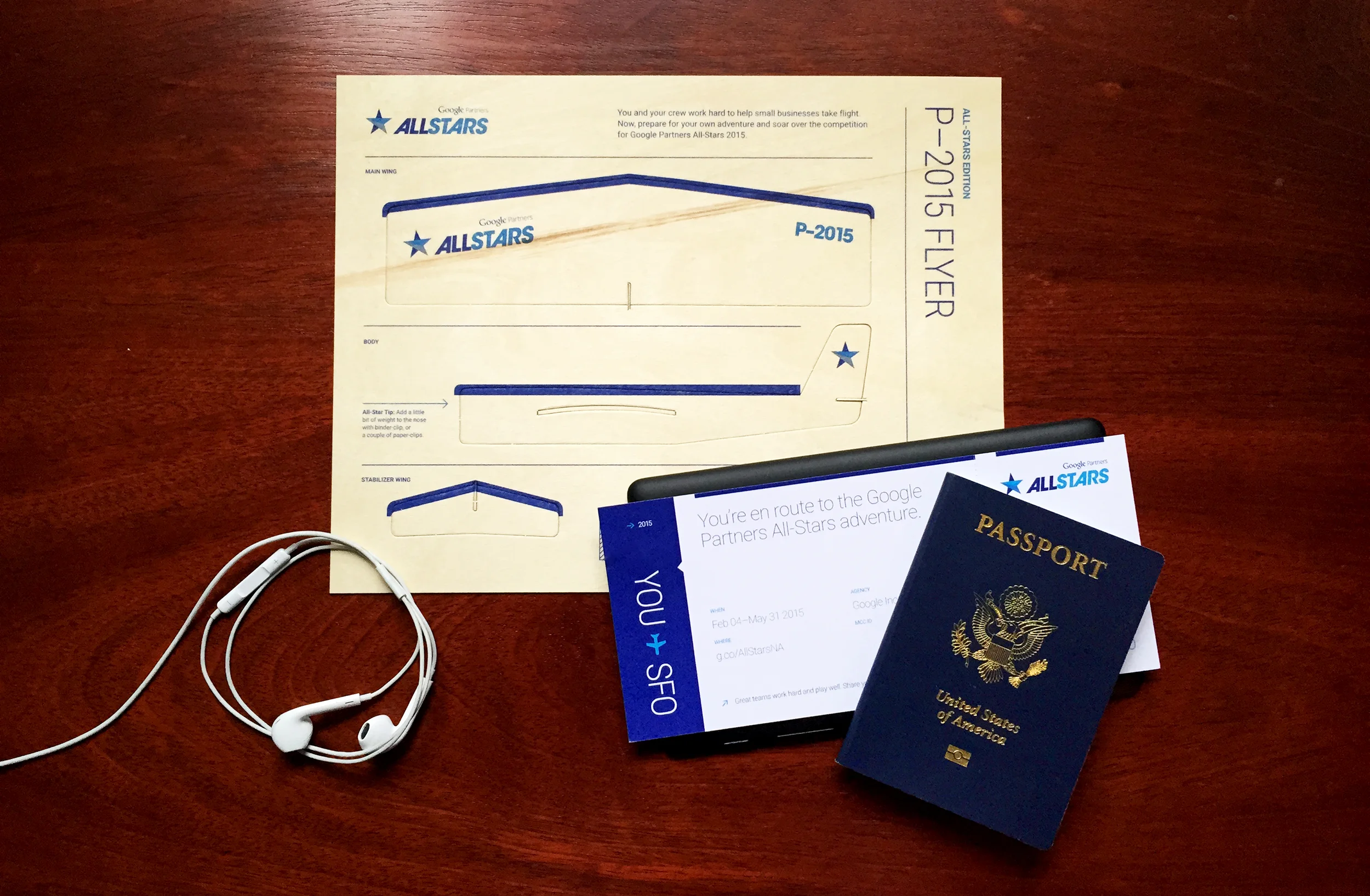
Expanded Google Partners' most successful campaign to 35 countries, generating $100M+ in annual revenue, while solving for diminishing returns by shifting campaign focus to untapped C-suite audience.

Challenge
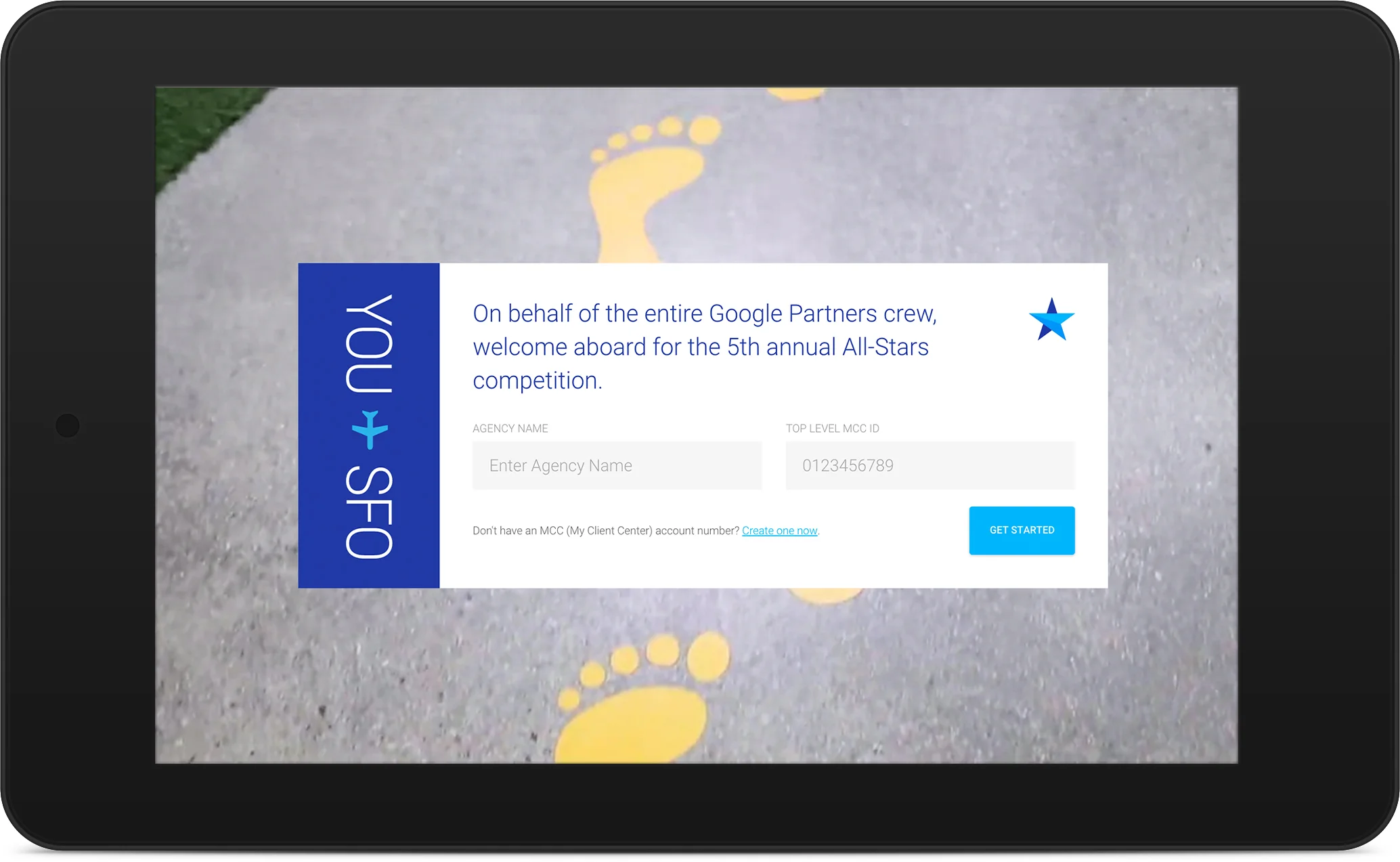
By its fifth year, All-Stars had become Google Partners' highest-performing campaign in North America. As a result, a number of regional counterparts had come to us, asking to launch the campaign in their markets. We were thrilled to do so but success had created a new problem in our market: the same agencies were winning every year, and we were hitting a participation ceiling.
The Core Issue: How do we re-engage the sizable audience who stopped participating, while also scaling globally?
Audience:
Primary: C-suite executives at registered Google Partner agencies who had not previously participated in All-Stars
Secondary: Global agency Partners across 35 countries with varying digital maturity levels
Objectives:
Break the pattern of repeat winners without souring relationships
Engage new participants
Scale revenue impact across global markets
Maintain campaign quality and consistency while localizing creative across diverse markets
Insight
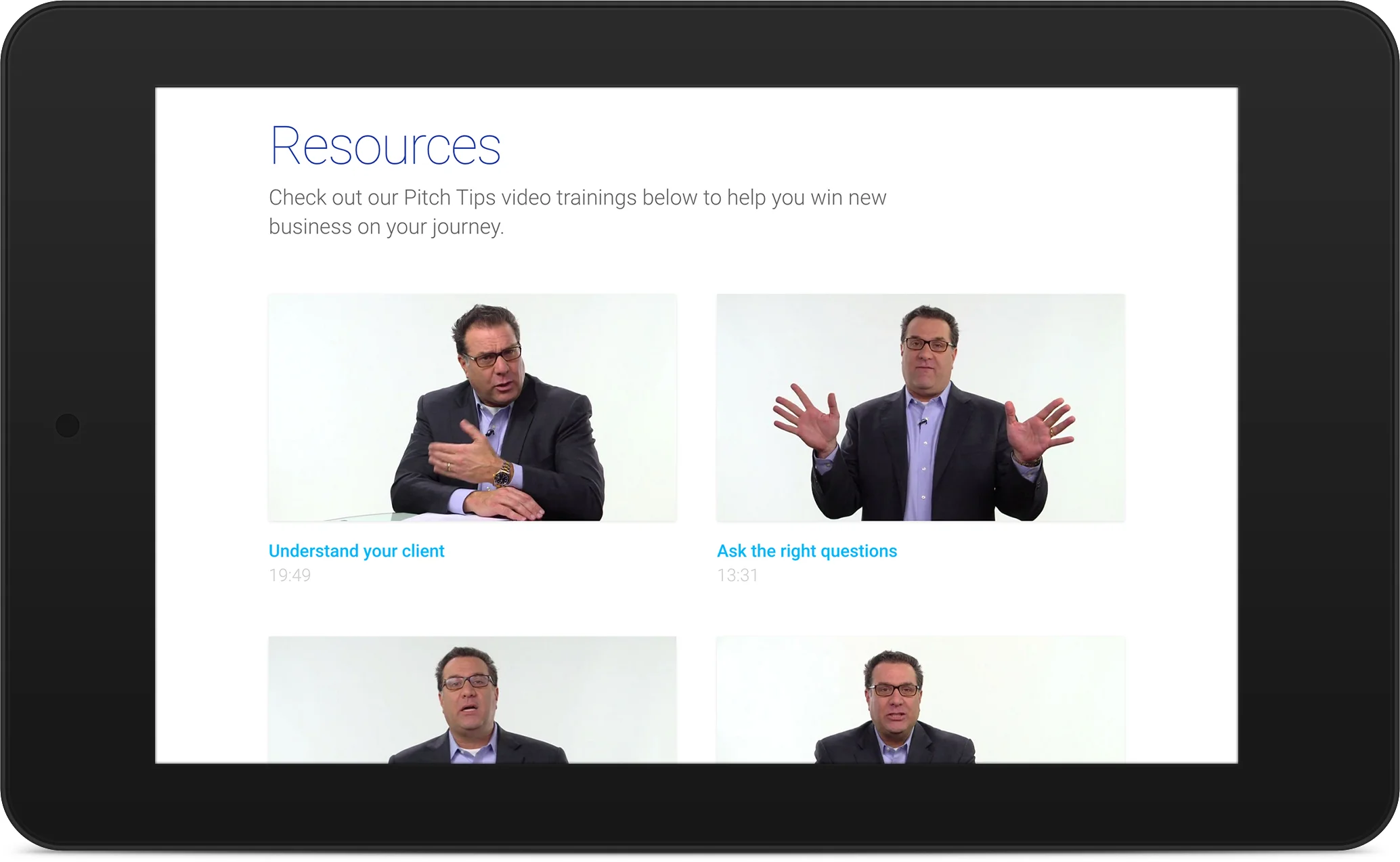
In the three years since we’d launched All-Stars, the greatest need from our Partners had shifted. Up until now, we’d focused on how to optimize AdWords campaigns, now our Partners needed help pitching AdWords.
The Strategic Bet: By positioning Google Partners as a strategic business partner to executives and sales teams, we would unlock new participation by elevating All-Stars from a practitioner competition to a business-building opportunity.

Solution
I led the strategic repositioning to target C-suite and account executives while simultaneously preparing the campaign for global expansion. This required balancing consistency (holding onto the heart of what made All-Stars successful) with localization (what different markets needed).
The Strategic Shift:
Audience Pivot: Repositioned messaging and benefits to speak to business outcomes C-suite cares about (revenue growth, competitive advantage, strategic partnership with Google) rather than just tactical AdWords optimization.
Global Scalability: Partnered with regional partners and external agencies to build a localization framework that maintained creative consistency while adapting to 51 different market contexts. This meant standardizing core campaign mechanics while allowing regional customization of messaging and creative.
Two-Summit Model: With such a rapid expansion, we knew we’d no longer be able to accommodate everyone at the Googleplex at the same time, so we created a North American Summit (for the established market) and the first-ever Global Summit.
Key Elements:
C-suite focused messaging that emphasized selling AdWords over tactical tools
Localization framework built with regional and external agency partners
Two summits at the Googleplex: North America & Global
Multi-market campaign execution across 51 countries
Results
North America (5th Annual):
Participation: ~1,700 agencies competed (+25% YoY growth)
Revenue: $25M+ in 91-day revenue
Event: 129 agency winners attended
Global (1st Annual):
Scale: 51 countries participated
Revenue: $100M+ in annual revenue
Event: 300+ agency winners attended
Strategic Impact: Established All-Stars as Google Partners' flagship global program and proof point for executive-level agency engagement
My Role
Strategic lead on audience repositioning and global expansion planning. Drove the insight that unlocked new participation by shifting target from practitioners to C-suite and sales executives.
Core Responsibilities:
Research and insight development into why agencies stopped participating
Strategic repositioning from practitioner to executive audience
Cross-functional partnership with regional teams and external agencies for localization strategy
Creative consistency and production efficiency improvements across markets
Two-summit event strategy
Takeaway
Scaling success isn't about doing more of the same, it's about finding the next frontier. Sometimes growth comes from changing who you're talking to, not just how many people you're reaching.